
Scalp care habits good for preventing hair loss
Updated: Aug 11
Taking care of your scalp is one of the best ways to support healthy hair growth and minimize shedding. While scalp care can't override genetics or underlying medical conditions, keeping the "soil" healthy ensures your hair follicles can function at their absolute best.
Here is a straightforward, daily-to-weekly routine of habits that actually make a difference.
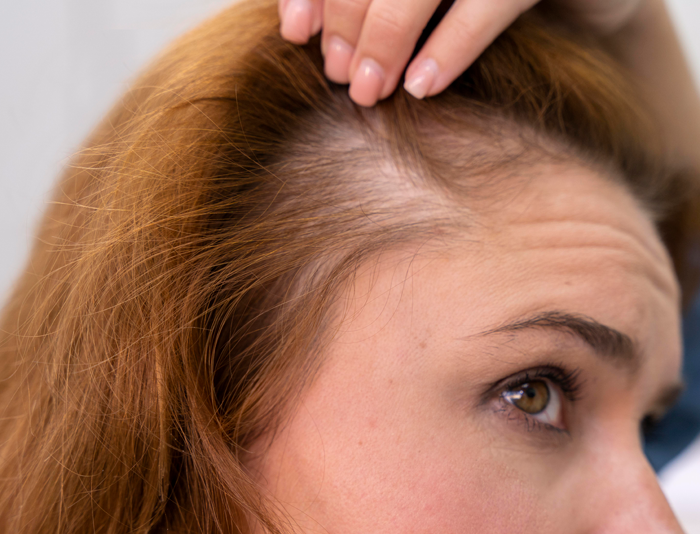
4 Scalp Habits for Healthier Hair
1. Wash Frequently Enough to Prevent Sebum Buildup
There’s a popular myth that washing your hair less is always better. In reality, letting excess sebum (your scalp's natural oil), dead skin cells, and product buildup sit on your scalp can trigger inflammation and conditions like seborrheic dermatitis.
The Routine: If you have an oily scalp, wash daily or every other day. If your scalp is dry, you can stretch it to every 3–4 days.
The Goal: Keep the hair follicles clear and unblocked.
2. Incorporate Regular Scalp Massage
Massaging your scalp isn't just relaxing; it physically stretches the dermal papilla cells in your hair follicles, which stimulates blood flow and encourages thicker hair growth over time.
The Routine: Use the pads of your fingers (never your nails) to apply firm but gentle pressure in circular motions for 4–5 minutes daily. You can do this dry, or while shampooing in the shower.
✔ Book a consultation for sensitive scalps
✔ Organic hair dye consultation
✔ Scalp check
3. Exfoliate Your Scalp (Weekly)
Just like your face, your scalp benefits from shedding its oldest skin cells. Buildup can constrict the hair follicle opening, making it harder for healthy hair to emerge.
The Routine: Once a week, use a gentle chemical exfoliant (like a serum containing salicylic acid) or a mild physical scalp scrub.
Caution: Avoid harsh, chunky scrubs that can cause micro-tears in the skin or physically snap hair at the root.
4. Be Gentle When Hair is Wet
Hair is at its weakest and most elastic when it is wet. Rough towel drying or aggressive brushing straight out of the shower can cause "traction" stress and pull hair out prematurely from the follicle.
The Routine: Blot your hair gently with a microfiber towel or an old cotton t-shirt instead of rubbing it. Use a wide-tooth comb or a flexible detangling brush, starting from the ends and working your way up to the scalp.
5. Avoid tight hairstyles
Repeated tension from:
Tight ponytails
Braids
Buns
Extensions
6. Maintain good overall nutrition
Hair follicles are metabolically active and need adequate nutrients. Important nutrients include:
Protein
Iron
Zinc
Vitamin D
B vitamins
Deficiencies can contribute to shedding.
Would you like to know which ingredients to look for in a scalp-care shampoo?
If you're choosing a scalp-care shampoo, the best ingredients depend on your scalp concern (dryness, dandruff, oiliness, irritation, hair thinning, etc.). Here are the most useful ingredients to look for:

BALANCE HAIRWASH
Gently cleanse and restore harmony to sensitive scalps.
Perfect for those experiencing dryness, sensitivity, or imbalance, the NATULIQUE Balance Hairwash helps restore comfort and well-being to both scalp and strands.
Calm. Hydrate. Rebalance.
This gentle, scalp-loving formula delivers essential moisture and care that help relieve dryness, itching, and dandruff –perfect for sensitive skin.
WITH CERTIFIED ORGANIC INGREDIENTS
Thyme
Reduces scalp irritation and redness.
Açai
Supplies the scalp with antioxidants and vitamins that soothes and nourishes.
Olive
Provides potent antimicrobial and antifungal properties. Soothes the scalp and combats dandruff.
Oat
Softens and hydrates with natural lipids while also increasing shine, strength and texture.
For dandruff and flaking
Look for active ingredients that target the underlying causes:
Pyrithione zinc – helps reduce dandruff and scalp irritation.
Ketoconazole – antifungal ingredient commonly used for persistent dandruff.
fSelenium sulfide – helps control flaking and excess oil.
Salicylic acid – exfoliates dead skin and helps loosen flakes.
Coal tar – slows excess skin cell turnover (less common today due to odor and staining concerns).
For a dry, itchy scalp
Look for moisturizing and soothing ingredients:
Glycerin – attracts and retains moisture.
Hyaluronic acid – helps hydrate the scalp.
Aloe vera – soothing and moisturizing.
Panthenol (provitamin B5) – supports hydration.
Oat extract or colloidal oatmeal – can help calm irritation.
Ceramides – support the skin barrier.
For an oily scalp
Ingredients that help regulate oil and keep follicles clear:
Salicylic acid – helps remove excess oil and buildup.
Niacinamide – may help balance oil production and soothe inflammation.
Tea tree oil – can provide antimicrobial effects, though some people find it irritating.
Clay-based ingredients (in some specialty shampoos) – absorb excess oil.
For sensitive or irritated scalps
Look for calming ingredients and simpler formulas:
Niacinamide
Aloe vera
Bisabolol (derived from chamomile)
Allantoin
Colloidal oatmeal
Also consider avoiding:
Strong fragrances
Harsh sulfates if they seem to irritate your skin
Essential oils if you've reacted to them before
For hair thinning concerns
No shampoo can reliably reverse hair loss, but some ingredients may support scalp health:
Caffeine
Niacinamide
Rosemary extract (evidence is still developing)
Ketoconazole (may help when dandruff or inflammation is contributing to scalp issues)
Ingredients that are generally beneficial for scalp health
A good scalp-care shampoo often contains a combination of:
Niacinamide
Panthenol
Glycerin
Salicylic acid (if you're prone to buildup)
Ceramides
Mild cleansing agents that don't leave your scalp feeling stripped
Deep conditioning & scalp treatments
Anti-Hair Loss Head Spa Treatment
A targeted, professional treatment designed to combat excessive hair loss and shedding. Using a potent blend of clinically proven ingredients, this ritual strengthens hair follicles, improves scalp circulation, and supports healthy regrowth. Ideal for those looking to fortify thinning hair and promote long-term scalp health.
✔ Book a consultation for sensitive scalps
✔ Organic hair dye consultation
✔ Scalp check
A Quick Reality Check: It is completely normal to lose between 50 to 100 hairs a day as part of the natural hair growth cycle. If you are noticing sudden patchy bald spots, widening of your part, or massive clumps of hair shedding, it’s usually a sign of an internal trigger (like stress, hormones, or nutrient deficiencies) and is best evaluated by a dermatologist.


Comments